How Research & Innovation Help Farmers Grow More Sustainable Strawberries
How Research & Innovation Help Farmers Grow More Sustainable Strawberries
" Today, an acre of strawberries uses less water than an acre of homes in Los Angeles. "
California strawberry farmers live and work in the same communities where they farm. That’s why they’re continually investing in research and innovation to improve how strawberries are grown—for the land, their communities, and future generations.
They’re developing stronger non-GMO strawberry varieties, reducing pesticide use through innovation, conserving natural resources, while growing safe, great-tasting strawberries families can feel good about bringing home.
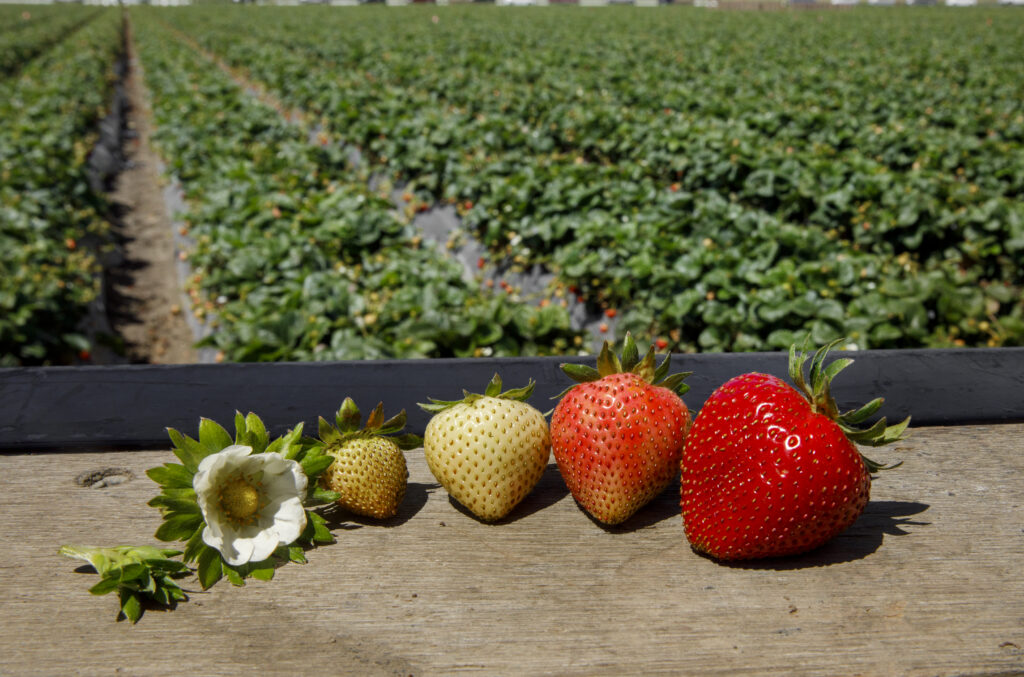
Today, California grows nearly 90% of the nation’s strawberries and more organic strawberries than anywhere else in the world—a reflection of decades of sustainable strawberry research & innovation. A commitment to growing strawberries with care for the land, our communities, and future generations.
" Today, an acre of strawberries uses less water than an acre of homes in Los Angeles. "
California strawberry farmers live and work in the same communities where they farm. That’s why they’re continually investing in research and innovation to improve how strawberries are grown—for the land, their communities, and future generations.
They’re developing stronger non-GMO strawberry varieties, reducing pesticide use through innovation, conserving natural resources, while growing safe, great-tasting strawberries families can feel good about bringing home.
Today, California grows nearly 90% of the nation’s strawberries and more organic strawberries than anywhere else in the world—a reflection of decades of research, innovation, and a commitment to growing strawberries more sustainably.
Research That Starts in
California Strawberry Fields
California strawberry farmers have invested more than $17 million in research, working alongside the University of California, the Cal Poly Strawberry Center, and other research partners to continually improve strawberry farming and grow the strawberries people love even better tomorrow. This is agriculture guided by purpose. This is care rooted in community. This is farming done with heart—nourishing people and communities, today and for generations to come.
Research That Starts in
California Strawberry Fields
California strawberry farmers have invested more than $17 million in research, working alongside the University of California, the Cal Poly Strawberry Center, and other research partners to continually improve strawberry farming and grow the strawberries people love even better tomorrow. This is agriculture guided by purpose. This is care rooted in community. This is farming done with heart—nourishing people and communities, today and for generations to come.
" Strawberry farmers were pioneers in drip irrigation to conserve water. "
" Strawberry farmers were pioneers in drip irrigation to conserve water. "
Reducing Pesticides Through Sustainable Pest Management
California strawberry farmers usesustainablepest management (SPM) which combines the traditional tools of integrated pest management (IPM)–field monitoring and use of biological, mechanical, and other innovative tools to help reduce pesticide use—with the goalsof protecting workers, nearby communities, and the environment.Innovations in practice and being researched includes:
Reducing Pesticides Through Sustainable Pest Management
California strawberry farmers usesustainable pest management (SPM) which combines the traditional tools of integrated pest management (IPM)–field monitoring and use of biological, mechanical, and other innovative tools to help reduce pesticide use—with the goalsof protecting workers, nearby communities, and the environment.Innovations in practice and being researched includes:
The use of native California wildflowers cover crops that support pollinators
Using drones to deliver lady bugs and other beneficial insects to fight pests naturally
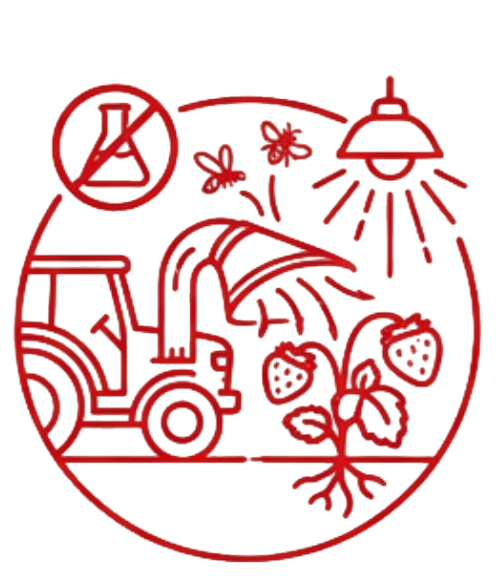
Bug vacuums and UV-C light as non-chemical methods for managing pests and disease
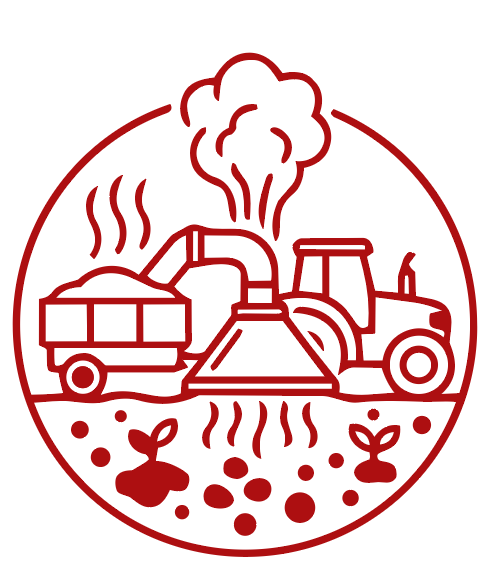
The use of steam treatments to support healthier soils
Non-chemical treatments
The use of native California wildflowers cover crops that support pollinators
Using drones to deliver lady bugs and other beneficial insects to fight pests naturally
Bug vacuums and UV-C light as non-chemical methods for managing pests and disease
The use of steam treatments to support healthier soils
Non-chemical treatments
Growing Better Strawberries Through Traditional, Non-GMO Breeding
California strawberries are not genetically modified (non-GMO).Instead, growers and researchers use traditional plant breeding—working with nature to select and cross plants with desirable traits like disease resistance, heat tolerance, and great flavor.
The result is stronger, more resilient strawberry varieties that better handle changing growing conditions, help reduce the need for pesticides and other resources, and continue delivering the sweet, familiar taste people love.
Growing Better Strawberries Through Traditional, Non-GMO Breeding
California strawberries are not genetically modified (non-GMO).Instead, growers and researchers use traditional plant breeding—working with nature to select and cross plants with desirable traits like disease resistance, heat tolerance, and great flavor.
The result is stronger, more resilient strawberry varieties that better handle changing growing conditions, help reduce the need for pesticides and other resources, and continue delivering the sweet, familiar taste people love.
Growing Better Strawberries Through Traditional, Non-GMO Breeding
California strawberries are not genetically modified (non-GMO).Instead, growers and researchers use traditional plant breeding—working with nature to select and cross plants with desirable traits like disease resistance, heat tolerance, and great flavor.
The result is stronger, more resilient strawberry varieties that better handle changing growing conditions, help reduce the need for pesticides and other resources, and continue delivering the sweet, familiar taste people love.
Innovation That Supports Farmers, Farmworkers & Sustainable Farming
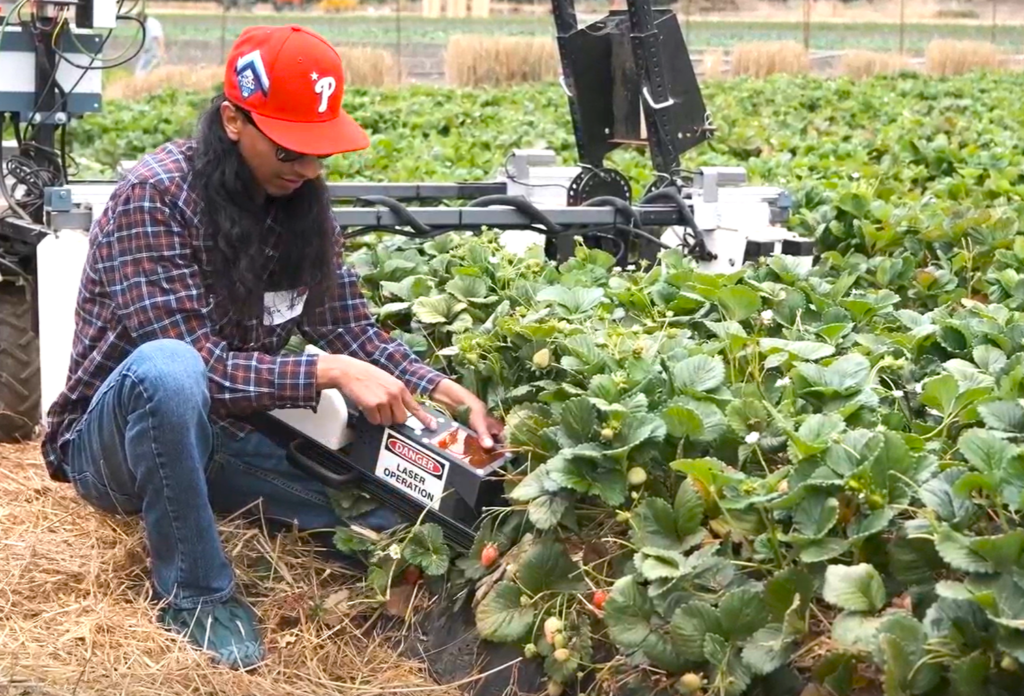
Research comes to life in California strawberry fields with innovation you can see.Today’s tech innovations and research in progresshelpsupport farmers and farmworkers with technologies like harvester aids, automated hole-punchers, laser runner cutters and mechanicalmulch lifters that willmake daily work safer and easier.
Innovation That Supports Farmers, Farmworkers & Sustainable Farming
Research comes to life in California strawberry fields with innovation you can see.Today’s tech innovations and research in progresshelpsupport farmers and farmworkers with technologies like harvester aids, automated hole-punchers, laser runner cutters and mechanicalmulch lifters that willmake daily work safer and easier.
Teaching Tomorrow's Leaders
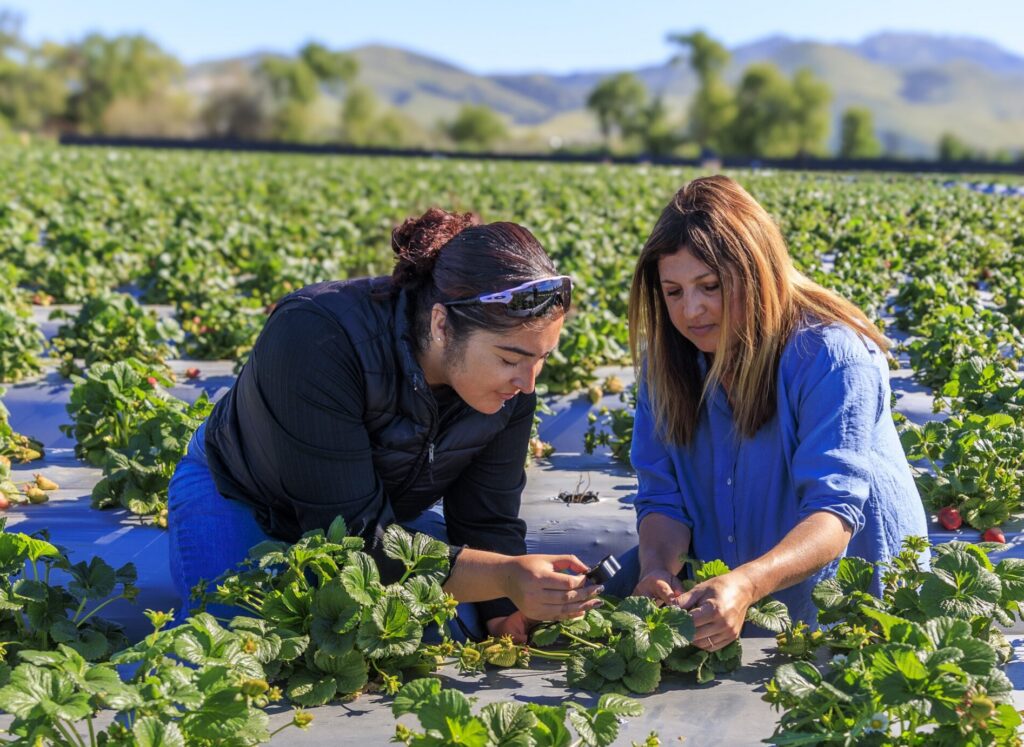
The future of California strawberry farming depends on more than new ideas—it depends on the people who bring them to life. Through partnerships with the University of California, the Cal Poly Strawberry Center, and other research partners, students gain hands-on experience working alongside farmers and researchers in California strawberry fields.
Together, they’re preparing the next generation of farmers, researchers, and sustainability leaders who will continue improving how strawberries are grown for generations to come.
Teaching Tomorrow's Leaders
The future of California strawberry farming depends on more than new ideas—it depends on the people who bring them to life. Through partnerships with the University of California, the Cal Poly Strawberry Center, and other research partners, students gain hands-on experience working alongside farmers and researchers in California strawberry fields.
Together, they’re preparing the next generation of farmers, researchers, and sustainability leaders who will continue improving how strawberries are grown for generations to come.
California strawberry farming—grown with heart and guided by science—isn’tjust about growing better strawberries. It’s about continually improving how strawberries are grown for the land, the people who grow them, and the communities they call home.
California strawberry farming—grown with heart and guided by science—isn’tjust about growing better strawberries. It’s about continually improving how strawberries are grown for the land, the people who grow them, and the communities they call home.