CALIFORNIA STRAWBERRIES:
GROWN FOR OUR FAMILIES - AND YOURS
The strawberries farmers grow for your family are the same strawberries they bring home to theirs. They live, work, and raise their families in the communities where they farm. So growing safe, high-quality strawberries isn’t just their job. It’s personal.
CALIFORNIA STRAWBERRIES:
GROWN FOR OUR FAMILIES - AND YOURS
The strawberries farmers grow for your family are the same strawberries they bring home to theirs. They live, work, and raise their families in the communities where they farm. So growing safe, high-quality strawberries isn’t just their job. It’s personal.
ARE STRAWBERRIES SAFE TO EAT?
Yes. Strawberries are safe to eat. California strawberry farmers have a strong food safety record — No foodborne illness outbreak, including Cyclospora—has ever been associated with fresh California strawberries.
There’s a lot of care, and reassurance, behind every strawberry you bring home.
California strawberries are:
- Among the most tested produce in your grocery store.
- Rigorously tested for food safety.
- Carefully grown under the nation’s most stringent farming and environmental regulations.
Farmers are committed to continuing this strong history of safety — their first consumers are their own family and friends.
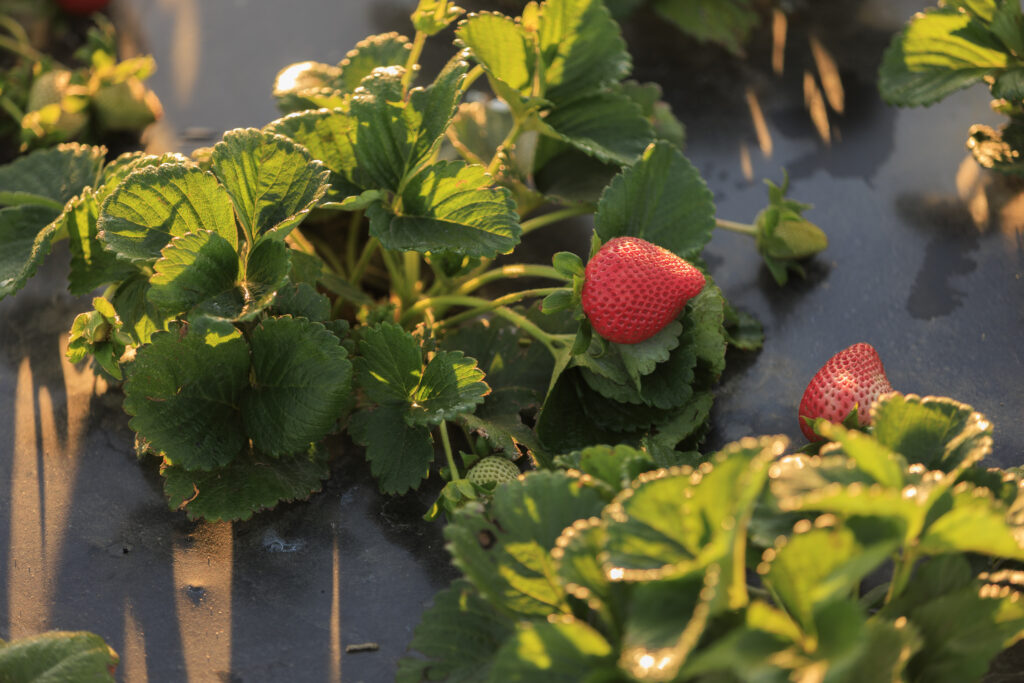
Growing With Care from the Start
Farmers make thoughtful decisions before strawberries reach consumers:
- Working with nature through beneficial insects, pollinator-friendly plants, and other sustainable farming practices.
- Carefully monitoring fields and using only needed resources.
- Investing in tools and practices reducing pesticide use.
- Caring for people and communities.
California grows more organic strawberries than anywhere else in the world, giving families plenty of ways to enjoy the strawberries they love.
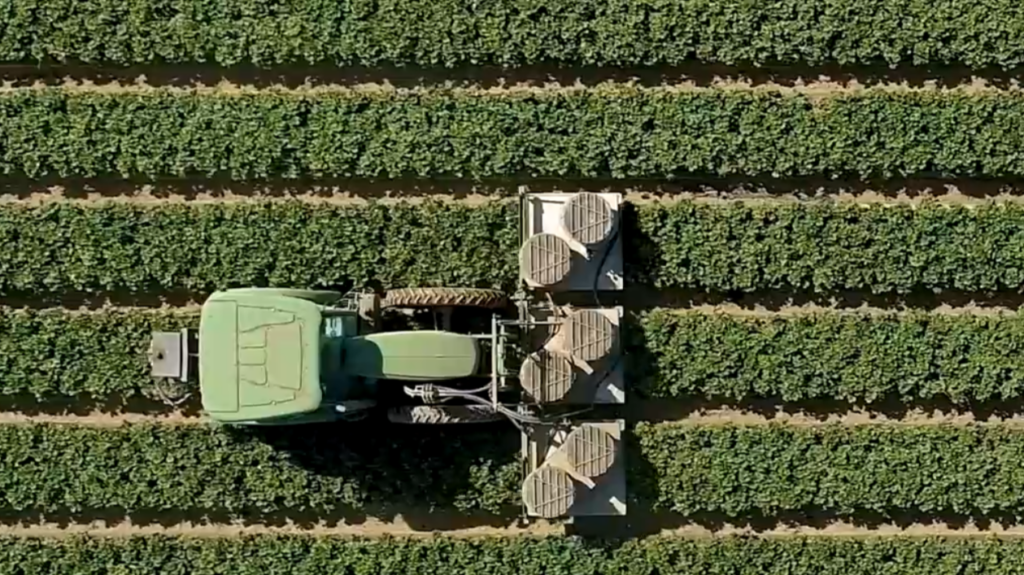
Always Finding Better Ways to Grow
California strawberry farmers keep looking for better ways to care for their crops, communities, and the land. Today, that includes:
- Beneficial insects and bug vacuums that help manage pests while minimizing pesticide use.
- Natural UV-C light and soil steam treatments.
- Stronger, traditionally bred non-GMO strawberry varieties.
It’s all part of a thoughtful approach to growing the strawberries families know and love.
See the Latest Research & Innovation for Strawberry Sustainability →
Your Strawberry Safety Questions, Answered
We know today’s shoppers want real answers, not just reassurance. Here’s what the science says about the questions we hear most.
Are strawberries safe if pesticide residue is detected on them?
Yes. Providing safe, healthy food for consumers is always the main priority for farmers. After all, a farmer’s first consumer is their own family. Decades of nutritional research shows that increasing consumption of conventional and organic produce can improve immunity, prevent diseases and increase lifespan. In fact, health experts agree we should all eat more fruits and vegetables for better health and a longer life.
- The U.S Department of Ag conducts a nationally representative program that analyzes pesticide residues on foods. Over 99% of the foods tested had residues well below safety standards set by the Environmental Protection Agency with 40% having no detectable residues at all. The Food and Drug Administration and individual states also conduct sampling programs with similar safety verification results.
- Analyses by University of California toxicologists found that a child could eat hundreds to thousands of servings of a fruit or vegetable in a day and still not have any effects from pesticide residues. This shows how very low residues are, if present at all.
- According to the Federal Food and Drug Administration, washing fresh produce before eating is a healthful habit. You can reduce and often eliminate pesticide residues if they are present on fresh produce by washing them under running tap water.
- One peer-reviewed study that examined the risk/benefit of eating more conventional produce found that if half of Americans increased their consumption of fruits and vegetables by a single serving a day, 20,000 cancer cases could be prevented each year.
Do strawberries have pesticides on them, and is that a problem?
Like most fruit and vegetables grown outdoors, strawberries may carry trace pesticide residue. A detectable residue does not mean a dangerous residue.
- California strawberry farmers grow under the most rigorous agricultural and environmental standards in the country, with additional oversight from CalEPA and County Agricultural Commissioners — protections unique to California agriculture.
- Farmers also work to reduce pesticide use itself through careful field monitoring, beneficial insects and pollinator-friendly plants, and tools like Buc Vacuums and UV-C light treatments.
- When residue is found during testing, it's almost always a small fraction of the safety limit regulators set — a detectable trace is not the same as a harmful dose.
What about PFAS, or "forever chemicals"?
Both California and the federal government regularly sample for pesticide residues on fruits and vegetables. These programs consistently find that more than 99% of the foods sampled were well below EPA safety standards or contained no detectable residues at all (over 40%).
Further, an analysis by toxicologists with the University of California’s Personal Chemical Exposure Program found a child could eat hundreds to thousands of servings of a fruit or vegetable in a day and still not have any health effects from pesticide residues. For strawberries, a child could eat 181 servings (1,448 strawberries) in a day based on this analysis. This analysis shows how low residues are, if present at all.
Strawberries often appear on the "Dirty Dozen" list. Should that worry me?
Peer reviewed studies have shown the so-called “Dirty Dozen” list is not scientifically credible. Research determined that the list’s recommendation to substitute organic produce for conventionally grown does not reduce consumer risk because residues on conventionally grown produce are already so low, if present at all.
This is why health experts, registered dietitians and toxicologists urge consumers to disregard this list and choose the produce that is affordable and accessible for them and their family.
The Centers for Disease Control reports that only one in 10 Americans are eating enough fruits and vegetables each day despite health experts urging higher consumption of these nutrient-dense foods. Decades of nutritional studies have shown that a diet rich in fruits and vegetables improves physical and mental health, prevents diseases, and increases life span.

Feel Good About Eating More Strawberries
Beyond safety, strawberries have real, well-documented nutritional upside. Just one cup provides 95% of the daily value of vitamin C, along with potassium, folate, fiber, and powerful antioxidants that support immunity and overall health. Strawberries are even recognized by the American Diabetes Association as a “Diabetes Superfood” — their antioxidants, vitamins, and fiber help support healthy blood sugar and metabolic health. The anthocyanins and flavonoids that give strawberries their color may also help reduce inflammation and support brain health: research published in the *Annals of Neurology* suggests eating berries more than twice a week may delay cognitive aging by up to 2.5 years. Add it up, and strawberries are a simple, delicious way to support heart, brain, gut, and metabolic health all at once. The California Department of Public Health has stated the public should continue to eat fresh fruits and vegetables — so when the question is “should I eat strawberries,” the science points the same direction it always has: yes, and probably more of them.
Grown with Heart & Safety at the Center
For California strawberry farmers, safety is personal. They continually find better ways to grow strawberries with care—for their families, the people who work alongside them, and the neighbors in the communities they call home. Because when you grow food for families—including your own—safety is always at the center.
Have questions about strawberry safety or how strawberries are grown?