
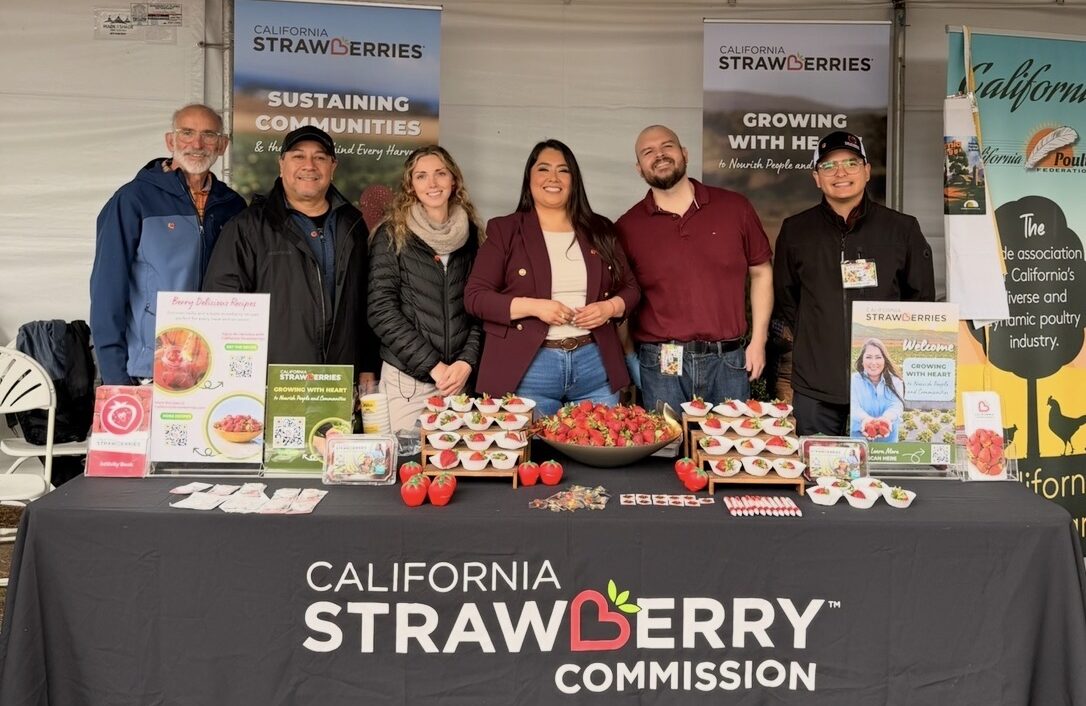
On Agriculture Day at the California State Capitol, the air carried more than policy conversations—it carried stories. Stories of resilience, of innovation, and of the people whose hands and hearts sustain a nation.
Among them were California’s strawberry farmers, sharing not just what they grow, but how they grow it. Their story is rooted in generations of care for the land, shaped by constant innovation, and driven by a responsibility that reaches far beyond the field.
For many, Ag Day has traditionally been a celebration of production and economic strength. But this year, something deeper surfaced—a recognition that agriculture is not only about feeding people, but about protecting the environment and shaping the future.
Nowhere is that more evident than in California’s strawberry fields.
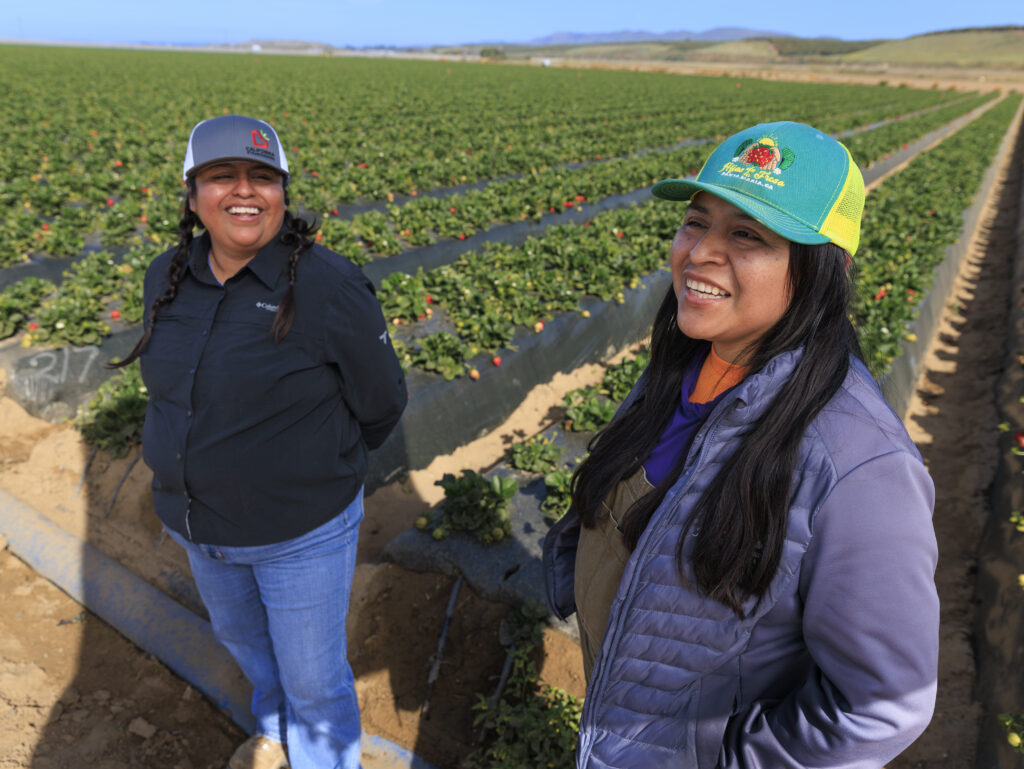
California produces nearly 90 percent of the strawberries consumed in the United States, all while using less than one percent of the state’s farmland. From that small footprint comes work that supports more than 50,000 jobs and returns 95 cents of every dollar back into local communities. But numbers, as impressive as they are, don’t tell the full story.
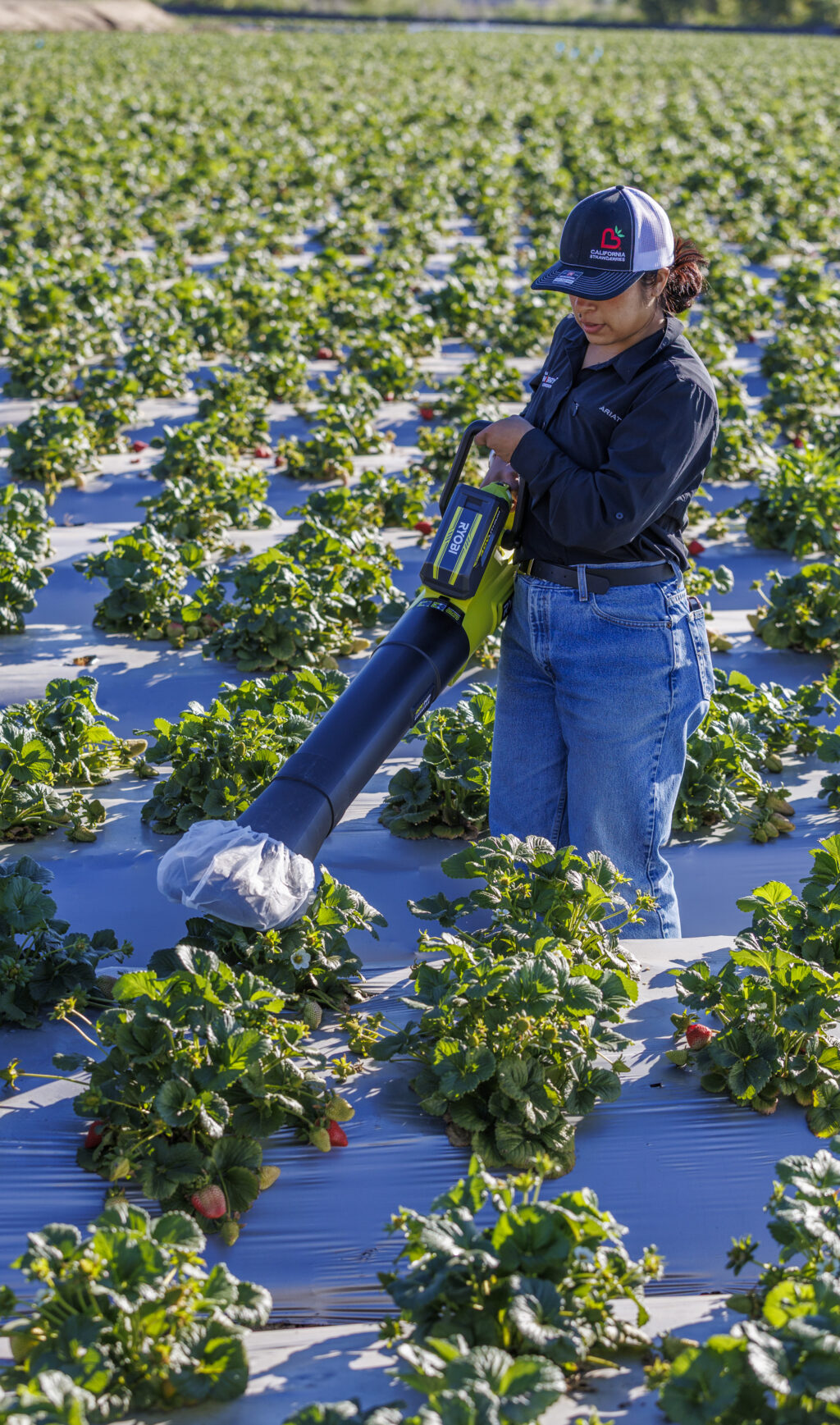
The real story lives in the fields—where agriculture, environmental stewardship, and human leadership are woven together every single day.
Strawberry farmers operate under some of the most rigorous environmental and labor standards in the world. That pressure has not held them back—it has pushed them forward, creating a culture of curiosity, accountability, and constant progress.
Take water, for example. In a state where every drop matters, strawberry growers were among the first to adopt drip irrigation systems—delivering water precisely where it’s needed and minimizing waste.
Their approach to pest management is just as thoughtful, relying on beneficial insects, innovative tools, and careful monitoring rather than broad, one-size-fits-all solutions.
These aren’t abstract sustainability ideals. They are real decisions, made season after season, often under intense pressure. And increasingly, these decisions are being led by women.
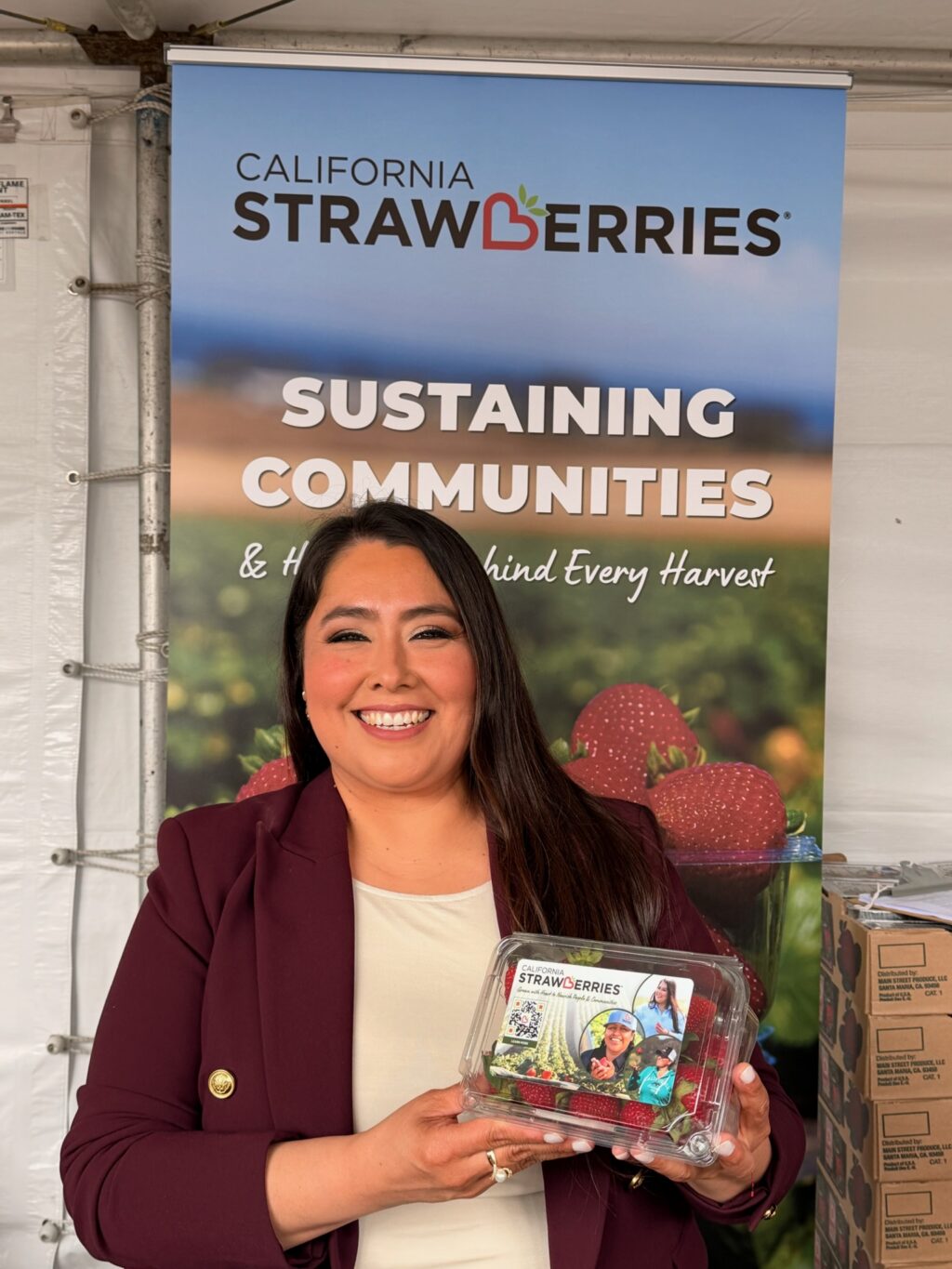
Across California—and especially within strawberry farming—women are not just participating in agriculture. They are shaping it.
They are farm owners, operations managers, food safety directors, scientists, and sustainability leaders. They are daughters of multigenerational farms and pioneers forging entirely new paths.
Their perspective is both deeply practical and profoundly future-focused. Their leadership lives in the details.
In a crop that is still largely hand-harvested, precision matters. Care matters. Awareness matters. Those same instincts carry into decisions about soil health, water conservation, and environmental impact.
Women are often at the center of these choices—not just managing operations, but redefining what success in agriculture looks like. They are leading research partnerships with universities, advancing food safety practices, and championing farming methods that protect both the land and the communities around it.
They are also helping guide millions of dollars in investments toward innovation—toward technologies that reduce emissions, strengthen crops, and ensure that farming remains viable for generations to come.
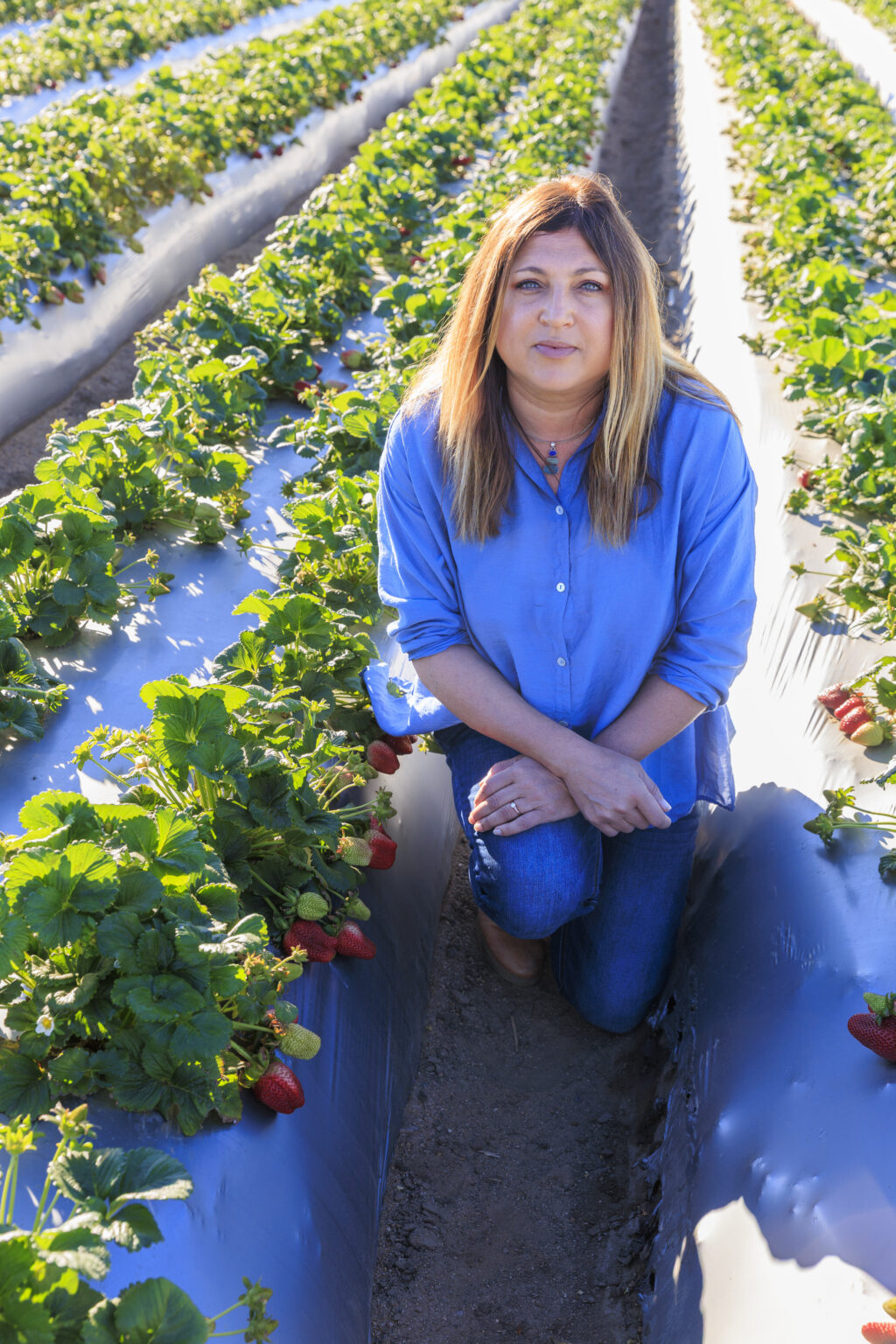
But their impact doesn’t stop at the edge of the field.
It extends into communities, into policy conversations, and into the broader vision of what agriculture can and should be.
When women lead in agriculture, the conversation expands. It becomes not only about yield, but about legacy. Not only about efficiency, but about responsibility. Not only about today, but about tomorrow.
And that is the future taking root in California’s strawberry fields—a future where agriculture, environmental stewardship, and women’s leadership are not separate forces, but one powerful, unified story.
